
MOVING FORWARD: REHAB FOR PARALYZED PETS
Paraplegia and tetraplegia can severely impact a pet's mobility and well-being. However, dedicated care and rehab for paralyzed pets can empower these animals to live full and happy lives. Rehabilitation exercises are vital for preserving muscle mass, promoting circulation, and preventing complications. This resource offers information and guidance on effective rehab for paralyzed pets. You can also learn more about VNIoC’s rehabilitation therapy services here.

Understanding Paraplegia and Tetraplegia
Paraparesis or Paraplegia: Weakness (paresis) or complete lack of movement (paralysis/plegia) of the hind limbs, often caused by spinal cord injuries or neurological diseases.
Tetraplegia: Weakness (paresis) or complete lack of movement (paralysis/plegia) of all four limbs, usually resulting from severe spinal cord injuries.
Benefits of Rehab for Paralyzed Pets
Improved muscle strength and tone
Enhanced circulation and joint health
Prevention of muscle atrophy and contractures
Stimulation of nerve function and potential for recovery
Increased mobility and independence
Enhanced overall well-being and quality of life
Safety Considerations for Rehab
Always supervise your pet during exercise.
Start slowly and gradually increase the intensity and duration of exercises.
Be gentle and avoid causing pain or discomfort.
Use appropriate equipment and support devices.
Monitor your pet for signs of fatigue or distress.
Types of Rehab for Paralyzed Pets
-
These exercises involve manually moving the pet's limbs through their full range of motion. PROM helps maintain joint flexibility, prevent muscle tightness, and improve circulation.
-
With support from a harness or sling, pets can practice standing and taking steps. This helps build strength, improve balance, and stimulate nerve function.
-
Exercising in water provides buoyancy and support, reducing stress on joints and muscles. Hydrotherapy can improve muscle strength, cardiovascular fitness, and range of motion.
-
Massage and physical therapy techniques can help relax muscles, improve circulation, and reduce pain.
-
These exercises focus on improving balance and coordination, which are essential for mobility and independence.
Resources for Parents of Paralyzed Pets
Veterinary Rehabilitation Specialists
These professionals can provide specialized care and guidance for rehab for paralyzed pets. Our partners at CVSS-Rehab can provide guidance, support, and supervised treatment for your dog or cat.
Support Groups and Online Communities
Connecting with other pet owners can provide valuable support and information. For example, the Paralyzed Dog Support Group is a private community offering hope and support to pets with partial or full paralysis and their caregivers.
Rehab Video Library
Rehab for paralyzed pets is essential for maintaining muscle mass, mobility, and quality of life. By working with your veterinarian and following a personalized rehabilitation plan, you can help your pet stay active and comfortable. Be patient, consistent, and supportive throughout the rehabilitation process to give your pet the best chance at recovery.
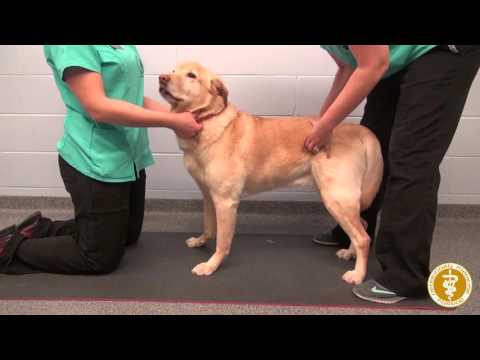
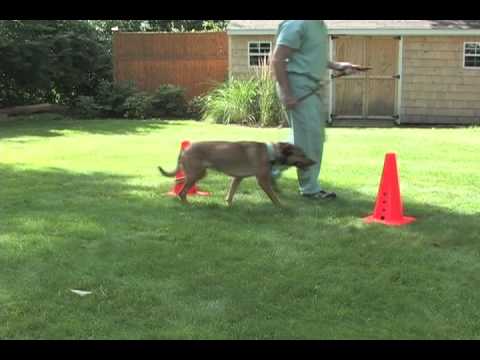
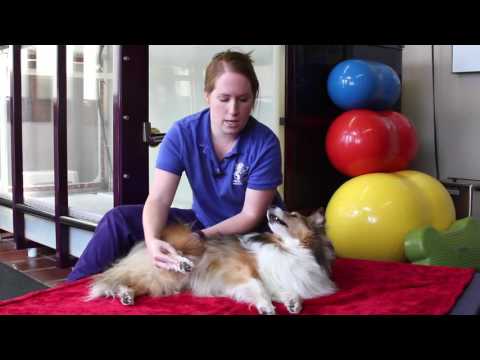
This video library demonstrates at-home exercises that your veterinarian may recommend for your dog or cat. These videos were produced by external sources and are used with permission.



Our Recommended Harness for Dogs with Mobility Challenges
For dogs struggling with mobility issues due to age, injury, or surgery, we recommend the Help 'Em Up harness. This harness provides support and assistance, making it easier for your furry friend to stand, walk, and navigate stairs.
Please note that we do not receive any compensation or benefit from recommending this product. We simply believe it's a valuable tool that can improve the quality of life for dogs and their owners.