
NEUROLOGICAL DISEASES IN PETS:
Intervertebral Disc Disease (IVDD)
Intervertebral Disc Disease (IVDD) is a spinal condition in dogs where the discs between the vertebrae (bones of the spine) degenerate or rupture, putting pressure on the spinal cord.
Intervertebral Disc Disease (IVDD) comes in two types. Here we will only be discussing Type 1, which involves a sudden, acute extrusion of the disc material. Type 2 is a slower, chronic degeneration with gradual protrusion.
Disease Overview
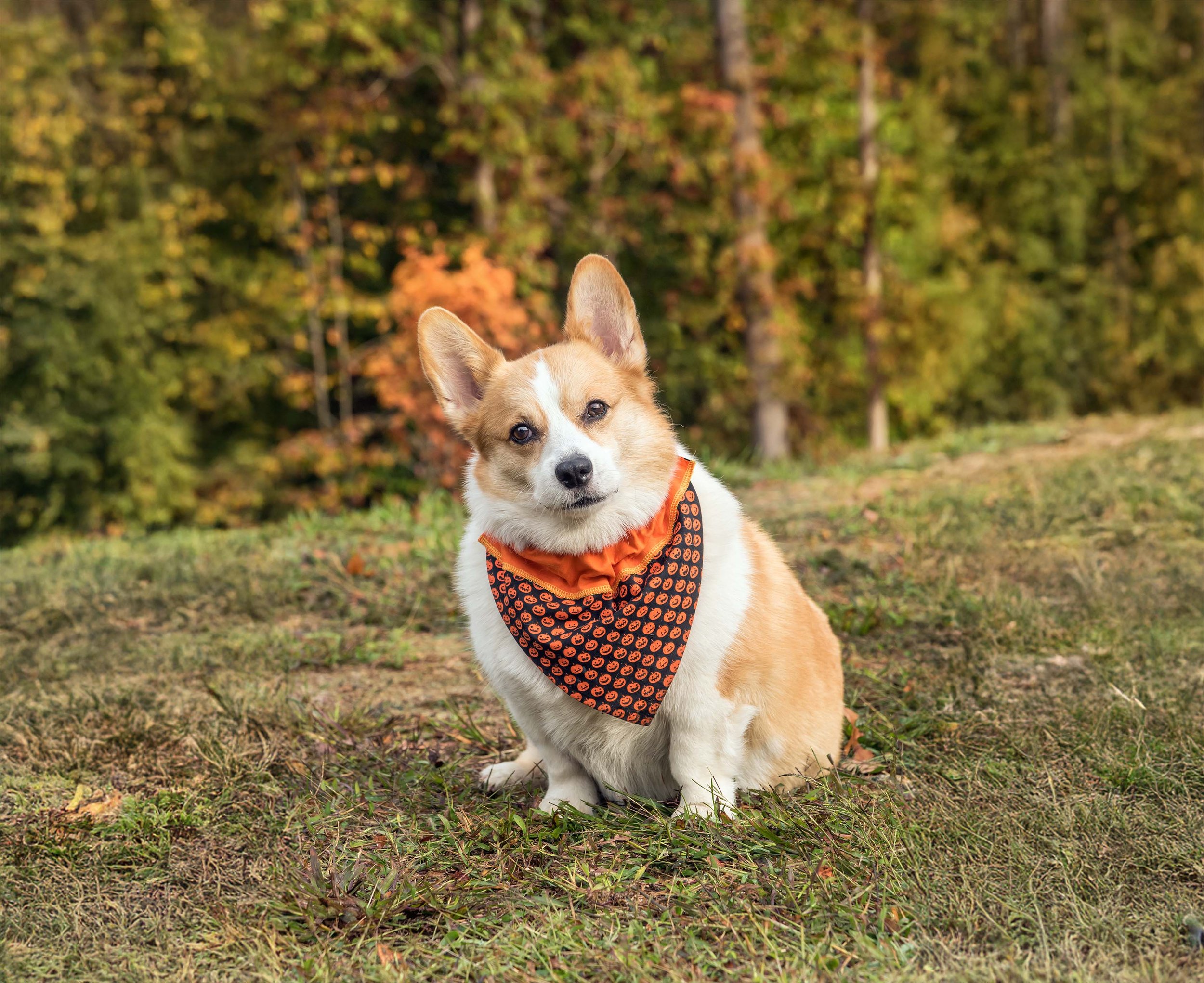
Type 1 Intervertebral Disc Disease can happen in any breed, but is most common in chondrodystrophic dogs—breeds that have a characteristic short-legged and long-bodied physique, including Dachshunds, Basset Hounds, Beagles, Corgis, French and English Bulldogs, Pekingese, Shih Tzus, American cocker spaniels and others. Presumptive disk disease in chondrodystrophic dogs is one of the most common neurological presentations in small animal veterinary medicine.
IVDD can occur in cats, but is rare. When a cat presents with similar symptoms veterinarians should first rule out infection, inflammation, or tumors.
Diagnosing IVDD in Dogs
Spinal cord compression from IVDD leads to a predictable cascade of clinical signs starting with pain and discomfort and can end with complete paralysis with loss of sensation to the toes. The amount and force of herniated disk material are the primary determining factors in the clinical signs your pet exhibits.
Understanding the stages of IVDD and their respective prognoses is crucial for any veterinarian or pet owner managing this condition. Here, we break down the prognosis for IVDD in dogs based on clinical signs, from mild discomfort to complete paralysis.
Stage 1: Mild Discomfort and Pain.
Dogs at this stage display clear signs of discomfort such as vocalizing more than usual, showing aggression, or reacting sharply to touching or feeling the back. They are reluctant to move and show hesitancy to jump, run, or climb stairs. They might walk with an arched back or tight abdominal muscles, which can sometimes be mistaken for gastrointestinal symptoms. At this initial stage, medical management typically yields excellent results. Surgery is generally reserved for cases with recurrent episodes of pain without muscular weakness or partial paralysis (paresis).
Stage 2: Ataxia and Incoordination.
Dogs with stage 2 IVDD may experience pain but primarily struggle with coordination and weakness. Symptoms include swaying, tripping over their paws, difficulty climbing stairs, or getting onto furniture. Despite these challenges, they can still walk at least 10 steps without assistance. Most dogs at this stage recover significant neurological function within five days through medical management alone. If improvement isn't seen within this time frame, further diagnostic workup is necessary to confirm IVDD.
Stage 3: Non-Ambulatory Paraparesis.
Dogs that can still move their back legs but cannot walk more than a few steps without falling are considered to have stage 3 intervertebral disk disease. They may manage a few steps with assistance or support devices but cannot walk 10 feet without falling or sitting down. They can be very painful and many of the symptoms described above. Some dogs progress from pain to paraparesis and paralysis over several days or sometimes just hours. Dogs that have non-ambulatory paraparesis often have difficulty with bladder control.
Dogs that are in Stage 3 IVDD category can be treated medically. If marked improvement is not seen within a few days, evaluation, imaging, and surgical intervention can be very successful in returning to full function in these pets.Stage 4 to 6: Complete Paralysis
Dogs that fall into the clinical signs categories of 4, 5, and 6 are paralyzed with complete lossof movement in the pelvic limbs (back legs) and cannot urinate. The difference between these categories is that the dogs with category 4 can still feel their toes. Dogs with category 5 have lost their sensation to their toes recently while category 6 are those dogs that have lost feeling for more than 48 hours.
Your pet’s clinical evaluation should be made by a veterinarian. A careful examination helps classify your pet’s condition and provide a prognosis for recovery. Despite even severe clinical signs, recovery is possible with timely diagnosis and treatment, and a huge number of these patients can return to a normal life.
A “presumptive diagnosis” of IVDD is made when a patient presents with symptoms like back pain, particularly mechanical back pain, and a history consistent with spinal degeneration, without definitive imaging evidence.
Definitive diagnosis of spinal cord compression caused by IVDD requires imaging of the spinal cord. The gold standard for spinal cord imaging is magnetic resonance imaging (MRI). In some circumstances, computed tomography (CT) can diagnose ruptured mineralized disks with spinal cord compression.

Treatment Options for IVDD in Dogs
There is a diversity of opinions regarding treatment options for dogs with IVDD, but general guidelines can be used for selecting therapy. Decisions regarding when and if surgical versus medical treatment for spinal compressive disease is indicated depend primarily upon the severity of the neurological signs and how chronic the problem is. In addition, treatment is modified in relation to the presumptive diagnosis, owner finances, and associated medical problems. Medical treatment should be recommended only if the veterinarian has great confidence in a presumptive diagnosis of IVDD
The cornerstone of medical management of IVDD is crate confinement with short, supervised visits outside to urinate and defecate. They should be on a leash and harness at all times when they are not in a small crate or a quiet room with no disturbance. Other components of medical management can include pain medications, muscle relaxants, and anti-inflammatories. If your pet improves with medical management, continued treatment is indicated for two weeks after the pet is clinically normal.
Prognosis for IVDD in Dogs
The chance of functional recovery for a pet with IVDD varies based on its initial clinical presentation and whether it has received medical or surgical treatment.
Back pain or strongly ambulatory paraparesis — 1st incidence: 90%+ with medical treatment; no surgical treatment at this stage
Non ambulatory paraparesis: 85% with medical treatment; 95% with surgical treatment
Paraplegia, deep pain intact: 50% with medical treatment; 95% with surgical treatment
Paraplegia, deep pain absent for less than 24 hours: <50% with medical treatment; 80-85% with surgical treatment
Paraplegia, deep pain negative for more than 48 hours: <20% with medical treatment; 50-75% with surgical treatment
Frequently Asked Questions about IVDD in Dogs
-
IVDD occurs primarily in chondrodystrophic dog breeds (breeds with short legs and a long body); these include Dachshund, Bulldog, Corgi, Pug, French Bulldog, Basset Hound, Pekingese, Lhasa Apso, Shih Tzu, Beagle and Poodle.
-
Your dog may become quieter than normal, and reluctant to play or to jump on and off the furniture. You may think his stomach hurts since pain is referred from the back to the abdomen. He may wince or yelp when touched. Lameness or a change in gait, stiffness in the back, and lack of coordination can all be indications of a problem. As soon as you’re aware of the problem, see your veterinarian. Speedy diagnosis and treatment are critical.
-
Yes, there are two important things you can do. First, keep your dog from being overweight. Check a body condition scoring chart at your vet’s or online to see whether your dog is in the ideal range, too thin or too heavy; and talk with your vet about how to keep your dog at the ideal body size.
Second, prevent your dog from jumping. Too often, dogs are allowed—or encouraged—to leap to or from the bed, couch, chair, or into vehicles. Having your dog use stairs, a ramp, a footstool, or an ottoman will help prevent strain and injury that can lead to IVDD.
-
Our philosophy is that dogs less than 6 years old that are presumed to have IVDD and have strong motor should be treated medically (Stage 1, IVDD).
The dogs that cannot rise on their own or are non-ambulatory and partially or completely paralyzed would benefit with surgery for several reasons (Stages 3 and 4). The first is that these dogs treated surgically have a much more rapid recovery than dogs treated medically. We see functional recovery in surgically treated dogs in 10-14 days, while those dogs treated medically usually recover in 4-12 weeks. Return to function decreases the other related issues that can occur, such as urinary tract infections, bed sores caused by prolonged exposure to urine or feces, and muscle contraction. Another reason for surgery in these dogs is that recurrence of clinical signs due to relapse of the problem disk is less than 3% in dogs treated surgically while relapse occurs in more than 50% in dogs treated medically.
Recurrence of signs secondary to an additional disk can and does occur in dogs treated both surgically and medically. Statistics are not available for dogs treated medically, but in a recent article on dogs treated surgically, dogs treated surgically with fenestration, recurred an average of 12.7%. (Fenestration is a surgical procedure where a "window" or fenestration is created in the annulus fibrosus, i.e, the outer layer of the disc.) There was a difference in recurrence between dogs fenestrated only at the extrusion site (17%) versus dogs fenestrated at multiple sites (7.5%).
-
After surgery, dogs are kept on crate rest for a specified time—generally four to six weeks—to allow for healing. During this time, the owner needs to be patient and committed to caring for the dog. Most care can be done three to four times a day, taking about 20 minutes each time.
Frankie: An IVDD Patient Case Study

Frank, a 6-year-old Yorkie Mix, came to VNIoC completely paralyzed in his pelvic limbs. He was very painful, unable to urinate, and had gotten worse despite excellent medical treatment (crate rest, anti-inflammatories, and pain medications).
Two hours after admission, he had a spinal MRI that found a large T12-13 disk that compressed his spinal cord by more than 45%. He had a hemilaminectomy that same day to remove the compression, inspect his spinal cord, and fenestrate his disk space.
Frank went home less than 4 days later able to move his legs, stand and urinate on his own.Ten days after surgery, he was able to walk independently, was pain-free and expected to make a full recovery in another month. This is the outcome in 95% of dogs like Frank that present to VNIoC for IVDD.
Concerned about your pet?
If you believe your pet may be experiencing symptoms related to IVDD, we encourage you to request an appointment with our veterinary specialists for consultation and personalized care.