
NEUROLOGICAL DISEASES IN PETS:
Meningoencephalitis of Unknown Etiology (MUE) in Dogs
Meningoencephalitis of Unknown Etiology (MUE) is a group of inflammatory diseases that affect the brain and spinal cord in dogs — sometimes referred to as canine encephalitis, dog encephalitis, or brain inflammation in dogs. Rather than a single disease, MUE encompasses several different inflammatory conditions, including:
Granulomatous Meningoencephalitis (GME)
Necrotizing Encephalitis (NE)
Breed-specific encephalitides (such as those seen in Pugs and Yorkshire Terriers)
Although each condition has unique characteristics, they all involve inflammation within the central nervous system that can interfere with normal brain and spinal cord function.
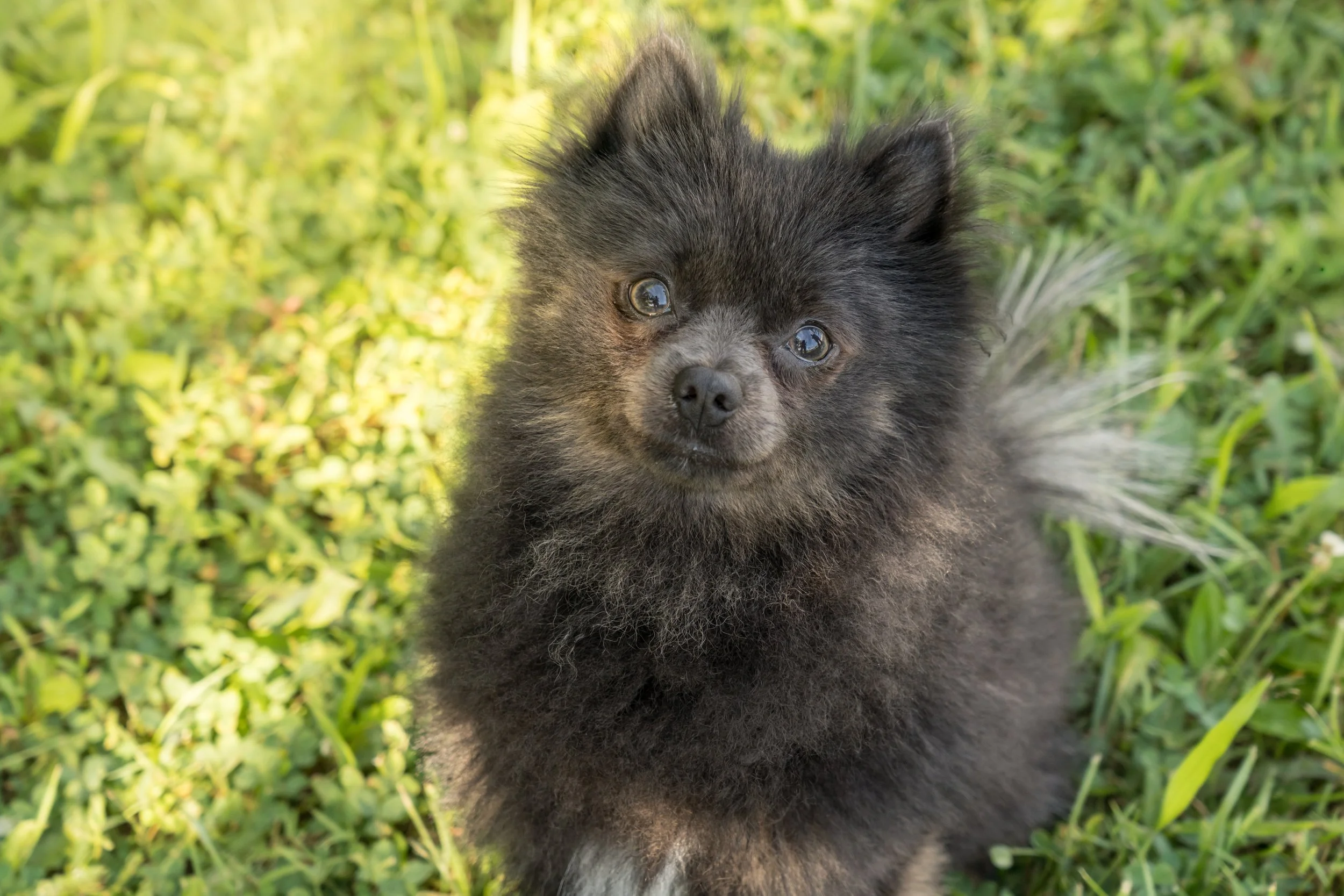
Disease Overview
What Causes MUE?
The exact cause of MUE remains unknown.
In dogs affected by MUE, the immune system mistakenly attacks healthy tissue within the brain and spinal cord. Immune cells enter the central nervous system and release inflammatory chemicals that are intended to fight disease, but instead damage normal nervous tissue.
Researchers are still investigating why this immune response occurs, but it may involve abnormal immune regulation, genetics, or other currently unknown environmental triggers. In human medicine, similar conditions include Multiple Sclerosis (MS), Autoimmune Encephalitis, and Central Nervous System Vasculitis. Although these diseases are not perfectly analogous, the clinical presentation of MUE closely mirrors these human autoimmune and inflammatory CNS disorders.
Which Dogs Are Most Commonly Affected?
MUE is most commonly diagnosed in:
Small breed dogs
Dogs older than 6 months of age
Female dogs
Although it is seen most frequently in small breeds, larger breed dogs can also develop MUE. Some forms of the disease appear to have a genetic predisposition.
Diagnosing MUE in Dogs
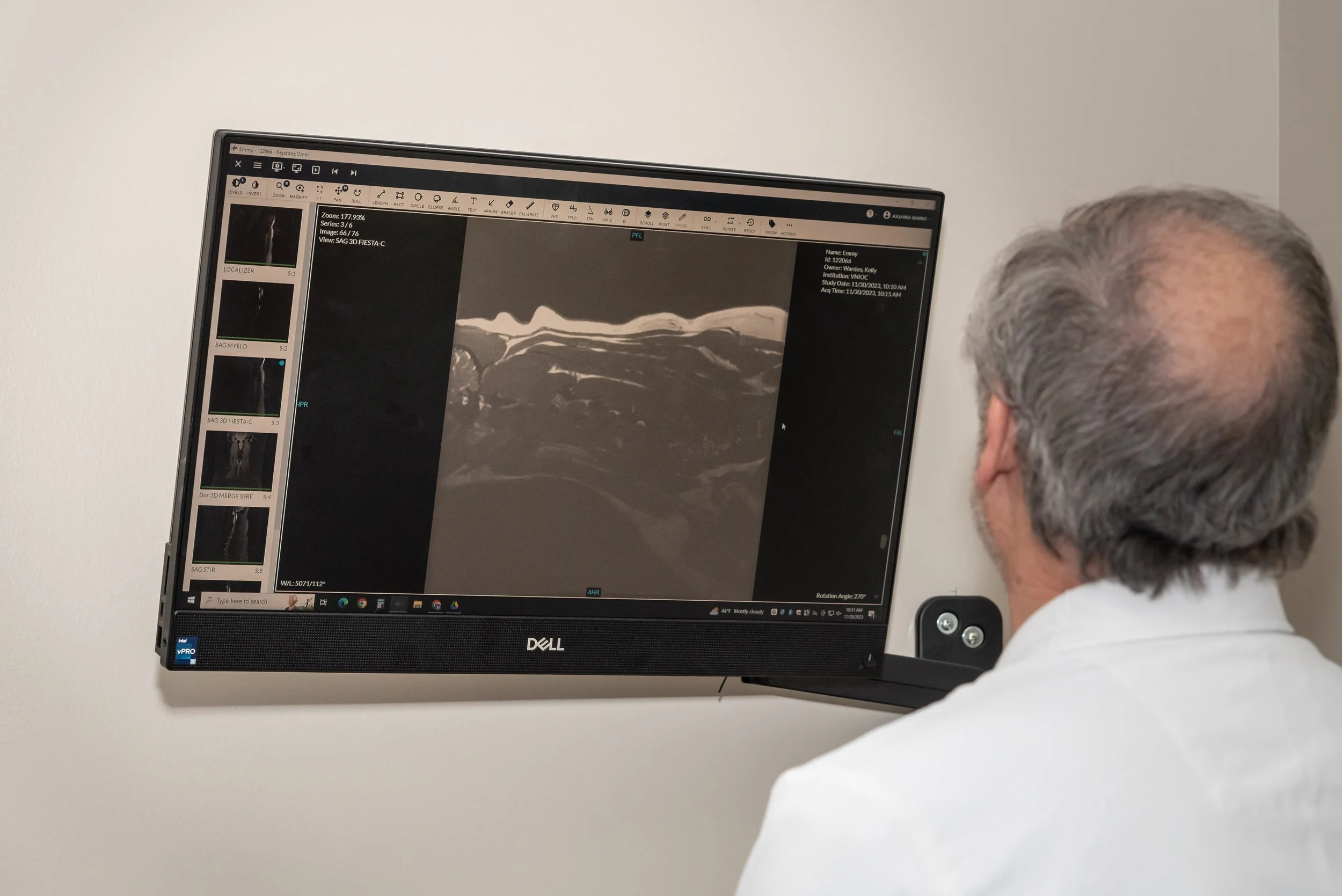
Clinical signs vary depending on which part of the brain or spinal cord is affected.
Common symptoms include:
Seizures
Muscle tremors
Blindness or vision loss
Head tilt
Abnormal behavior or personality changes
Because MUE can affect different areas of the nervous system, every patient may present differently. Some dogs experience sudden neurologic changes, while others develop symptoms more gradually.
How Is MUE Diagnosed?
A definitive diagnosis requires a brain biopsy, but this is rarely performed because it is invasive.
Instead, veterinarians typically make a presumptive diagnosis by combining:
A complete neurological examination
MRI of the brain and/or spinal cord
Cerebrospinal fluid (CSF) analysis (spinal tap)
Testing to rule out infectious diseases, such as viral, bacterial, fungal, or protozoal encephalitis
Diagnostic testing to help rule out cancer
These tests allow neurologists to identify inflammation while excluding other diseases that can produce similar neurological signs.

Treatment Options for IVDD in Dogs
Treatment for MUE typically requires long-term — and in some cases, lifelong — suppression of the immune system to prevent it from attacking the brain and spinal cord. Because MUE is an immune-mediated disease, therapy focuses on reducing inflammation within the central nervous system.
Initially, treatment starts with prednisone because it works quickly and reliably. However, long-term use of prednisone alone at immunosuppressive doses can lead to serious side effects. Therefore, a second medication (and sometimes a third) is added to help suppress the immune system, allowing for the prednisone dose to be slowly tapered over many months. Most of these adjunctive medications are forms of chemotherapy adapted for use in this disease. The ideal medication for treating MUE would possess the following characteristics:
Effectively immunosuppressive
Rapid onset of action
Ability to effectively cross the blood-brain barrier
Safety with minimal side effects
Work effectively in combination with corticosteroids
Low cost
While no single drug is perfect, our therapeutic choices are measured against these benchmarks. Commonly considered drugs for MUE include cytarabine, leflunomide, cyclosporine, and mycophenolate. Treatment choices are best discussed with your neurologist and ultimately depend on your pet's specific needs and your goals for therapy. Our objective is to improve quality of life while slowing disease progression. Medication plans are adjusted over time based on clinical response.
Prognosis for IVDD in Dogs
Every dog's prognosis depends on the specific form of MUE and how well they respond to treatment.
One encouraging indicator is the early response to therapy. Dogs that show meaningful improvement within the first three months of treatment generally have a more favorable long-term outlook than those that do not.
Dog Owners Also Ask: What Is the Life Expectancy for a Dog With MUE?
Dogs that respond well to early treatment can maintain long-term neurologic stability, as seen in Ollie's case below.
Frequently Asked Questions about IVDD in Dogs
-
If your dog develops seizures, sudden vision loss, head tilt, abnormal behavior, muscle tremors, or other unexplained neurological signs, prompt evaluation is recommended.
Early diagnosis and treatment provide the best opportunity to control inflammation, improve quality of life, and maximize long-term outcomes.
-
No, MUE is not contagious and cannot be spread between animals.
-
There is no known cure. Treatment focuses on long-term immunosuppressive therapy to manage inflammation and clinical signs.
-
Many dogs require extended or lifelong medication. Treatment plans are individualized based on each patient's specific needs and response to therapy.
-
Yes, neurological symptoms such as seizures, blindness, or sudden behavioral changes should be evaluated as soon as possible by a veterinarian or veterinary neurologist.
-
If your dog shows signs like seizures, vision loss, head tilt, or abnormal behavior, consult a veterinary neurologist promptly for an evaluation. Early diagnosis provides the best chance for successful management.
-
Granulomatous Meningoencephalitis (GME) is one of the specific inflammatory conditions grouped under the broader MUE diagnosis, alongside Necrotizing Encephalitis (NE) and breed-specific encephalitides seen in dogs like Pugs and Yorkshire Terriers.em description
-
MUE is diagnosed most often in small breed dogs over 6 months of age, and is seen more frequently in females. Larger breeds can also be affected, and certain breeds, such as Pugs and Yorkshire Terriers, have their own recognized breed-specific forms of the disease.
-
Veterinary neurologists typically combine a full neurological exam, MRI of the brain and/or spinal cord, and cerebrospinal fluid (CSF) analysis (spinal tap), along with testing to rule out infectious disease and cancer, to reach a presumptive diagnosis of MUE.
-
Treatment typically starts with prednisone, with a second (and sometimes third) immunosuppressive medication added to allow the prednisone dose to be tapered over time. Commonly used options include cytarabine, leflunomide, cyclosporine, and mycophenolate.
Ollie: An MUE Case Study
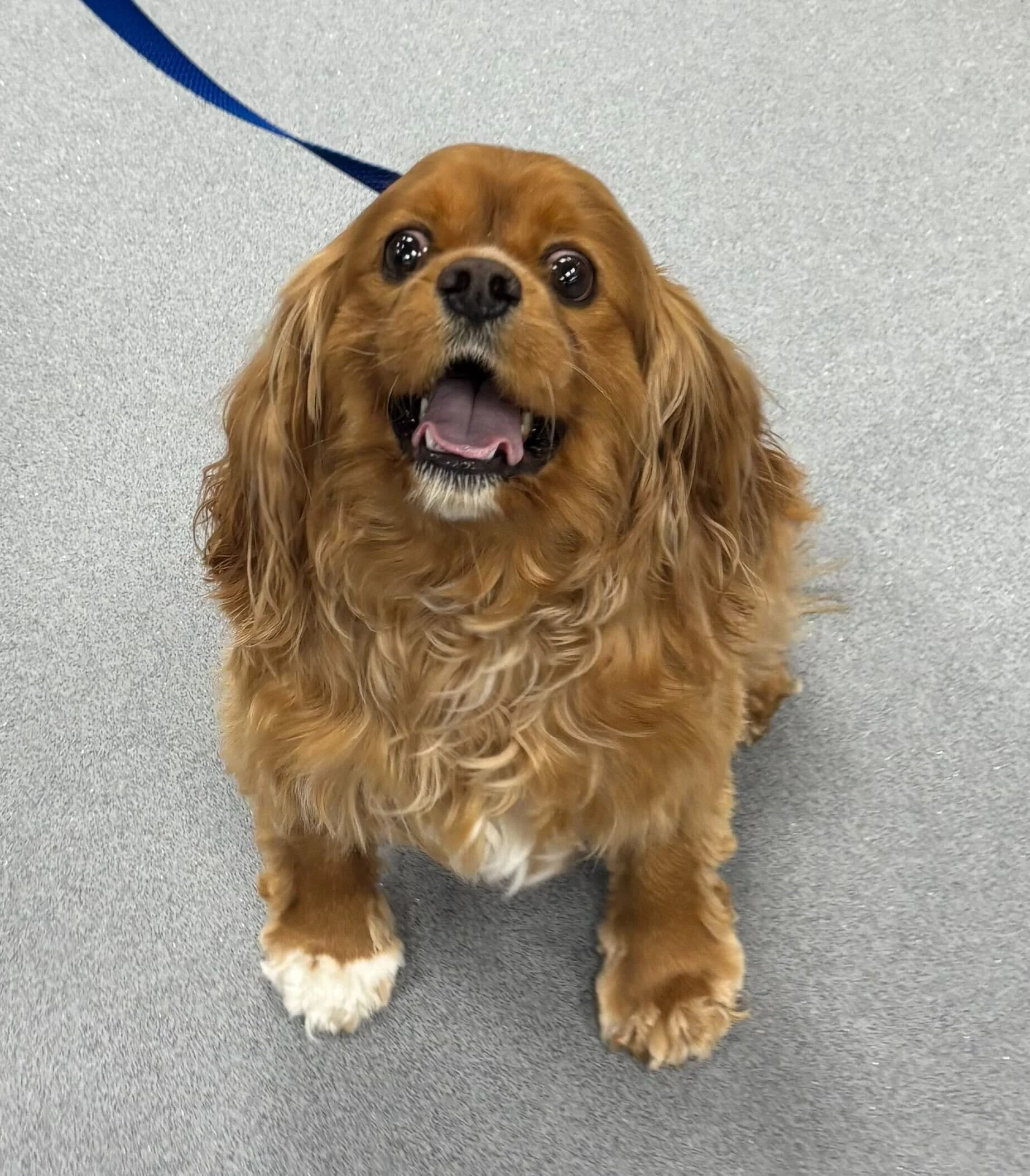
When Ollie's family brought him to VNIoC because something was clearly wrong. The normally happy, talkative Cavalier King Charles Spaniel was suddenly quiet, lethargic, struggling to hold up his head, and needed help navigating stairs.
Advanced testing led to a presumptive diagnosis of Meningoencephalitis of Unknown Etiology (MUE), an inflammatory disease that affects the brain and spinal cord. Ollie began treatment with immunosuppressive medications and Cytosar chemotherapy, and his family committed to the ongoing care and monitoring that MUE requires.
The complete case study can be found on "Ollie's Two-Year MUE Milestone" on the VNIoC blog.
In 2026 we were thrilled to celebrate an incredible milestone: Ollie was neurologically stable for two years since his diagnosis! This is especially meaningful as MUE used to be a death sentence, with most patients living only two to six months after diagnosis. Now with aggressive treatment, cases like Oliver are possible.
Schedule a Neurology Consultation
If your pet has been diagnosed with MUE or is showing neurological signs, our board-certified veterinary neurology team in Hunt Valley, Maryland — serving pet owners throughout the Baltimore area, the DMV (DC/Maryland/Virginia), and southern Pennsylvania can provide advanced diagnostics, MRI imaging, CSF analysis, and individualized treatment recommendations.
Contact Veterinary Neurology & Imaging of the Chesapeake today to schedule a consultation at (410) 828-0911.