
A F/S beagle is referred to you with dysuria, stranguria, and severe periodontal disease. Ultrasound examination and cystoscopy reveals a bladder mass with cytology and histopathology consistent with transitional cell carcinoma.
During the anesthesia for cystoscopy a dental cleaning was performed. Piroxicam, ranitidine, amoxicillin/clavulinic acid and a pulse treatment of doxorubicin are begun the next day. At rounds there is a discussion about proceeding with a short course of HBOT in light of the severe periodontitis. What is your input?
ANSWER: Do not begin hyperbaric oxygen therapy immediately in this patient. The concurrent use of doxorubicin and HBOT is not recommended at this time. A study of HBOT administered along with beta-carotene and butylated hydroxytoluene begun immediately after doxorubicin extravasation in rats resulted in an 87 percent mortality rate ( Upton et al, "Effects of antioxidants and hyperbaric oxygen in ameliorating experimental doxorubicin skin toxicity in the rat", Cancer Treat Rep, 1986, Apr; 70 (4):503-7).
A separate study where HBOT alone was used to treat Guinea Pigs immediately after doxorubicin extravasation revealed that 4 out of 28 subjects given HBOT along with doxorubicin died prior to the end of the 7 weeks study. ( Gong, C, et al, "Effects of Hyperbaric Oxygen on Adriamycin-induced Skin Lesions in an Animal Model", JHM, Vol 1, no 2, Spring 1986, pg 99-106).
Although it is unclear from both studies whether HBOT alone potentiates the toxicity of doxorubicin, it is currently recommended that HBOT not be started until well after the peak effect of doxorubicin, or at least two weeks after its administration.
Hyperbaric oxygen therapy is often employed in the treatment of thermal burns. True or false: Experimental evidence does not support the benefit of HBOT when employed immediately after the burn occurs in canines?
ANSWER: False, a canine study does support adjuvant HBOT soon after thermal burns occur.
A study on dogs with burns over 40 percent of their bodies showed a marked reduction in fluid extravasation from the wound, a reduction in hemoconcentration, and improved cardiac output in the subjects treated with prompt adjuvant HBOT. (Reference, Wells, CH et al, "Effects of Hyperbaric Oxygenation on Host Burn Plasma Extravasation" Davis and Hunt (eds), Hyperbaric Oxygen Therapy, Undersea Med Society; 1977, 259-265).
True or False: A pharmokinetic study performed on canines showed that there was a significant reduction in the elimination of theophylline during hyperbaric oxygen therapy.
ANSWER: False. A study performed on dogs revealed no apparent effects of hyperbaric oxygen therapy on any parameter of theophylline disposition, implying that distribution, elimination, and effect should remain constant (Reference, Kramer WG, "Theophylline pharmacokinetics during hyperbaria and hyperbaric hyperoxia in the dog", Res Commun Chem Pathol Pharmacol 1981 De; 34(3):381-8).
You are treating a young canine patient with complete global ischemia associated with a cardiopulmonary arrest/resuscitation during anesthesia for ovariohysterectomy.
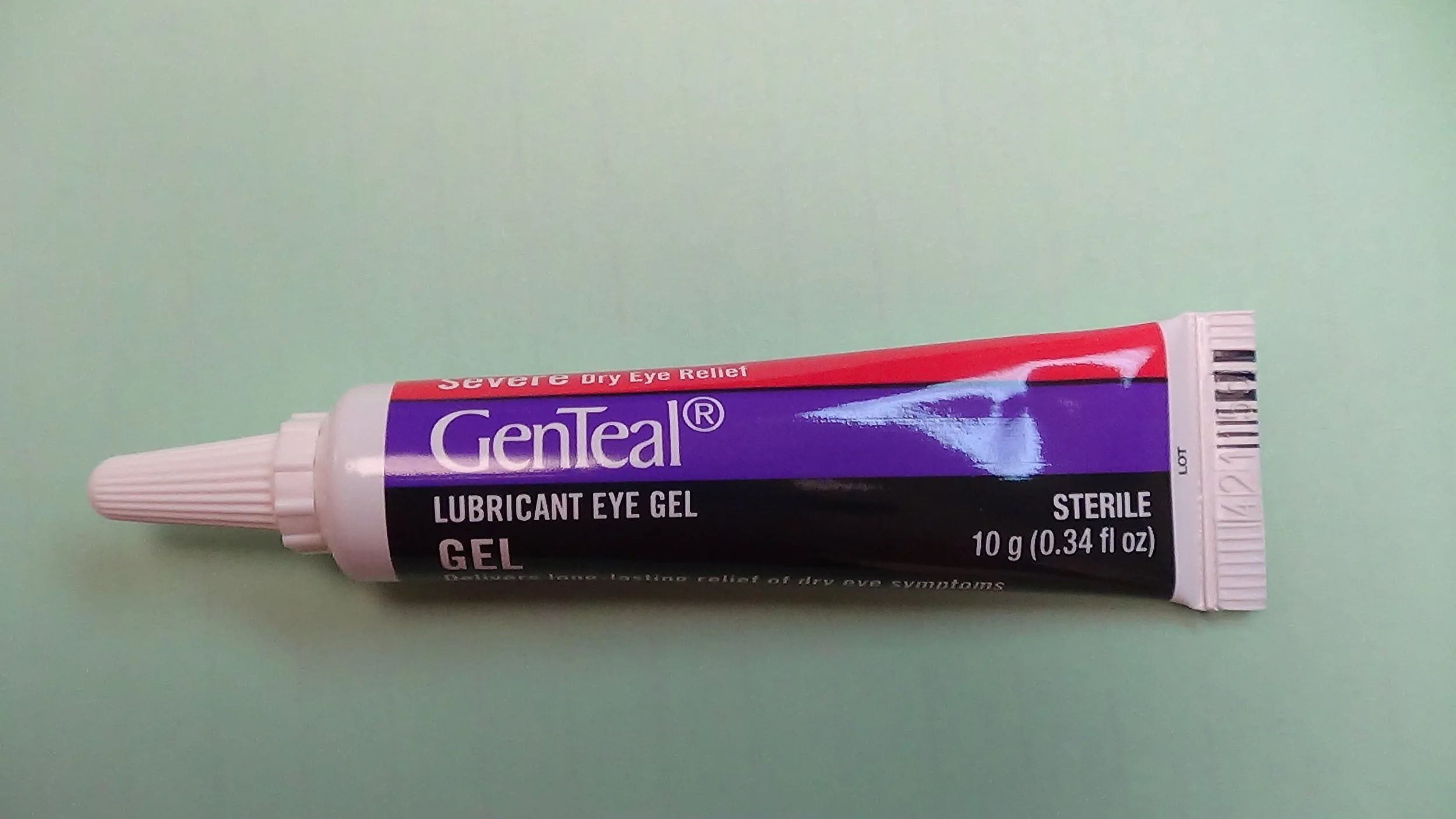
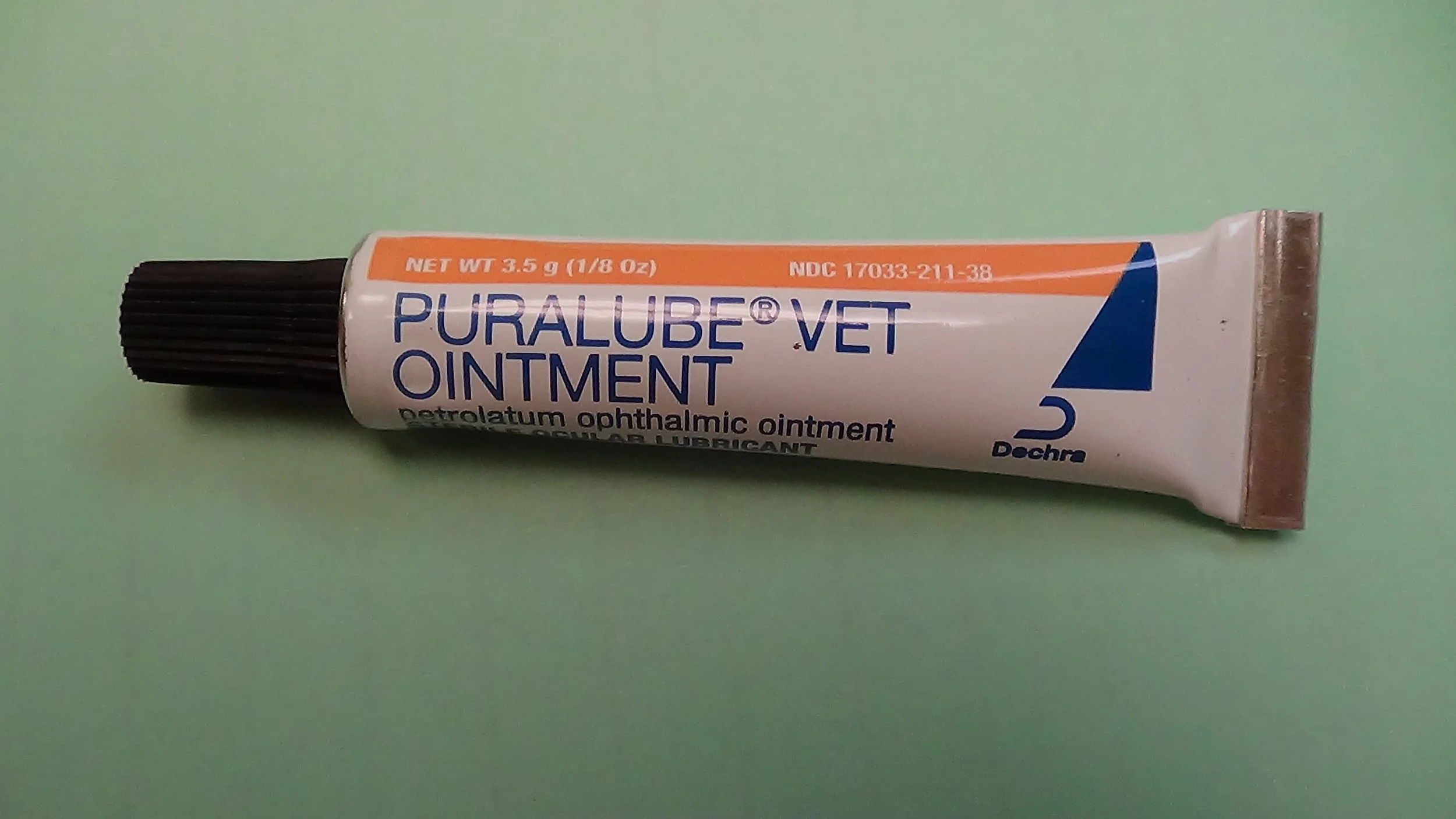
The patient is minimally responsive, and you are applying eye lubrication three times daily to reduce the chance for corneal ulcers. Which of the following products should be used if the patient is receiving adjuvant HBOT, and why is it a safer choice than the other?
ANSWER: Use the Genteal Gel, as it does NOT contain petroleum based materials. The puralube does contain petroleum distillates. Petroleum products represent fuel for combustion, and therefore should not be used on patients who are scheduled for HBOT (Reference Neuman and Thom eds., Physiology and Medicine of Hperbaric Oxygen Theraphy, Saunders, 2008, page 50).