
Non-Surgical Treatment for a Puppy Spinal Fracture: A Case Study
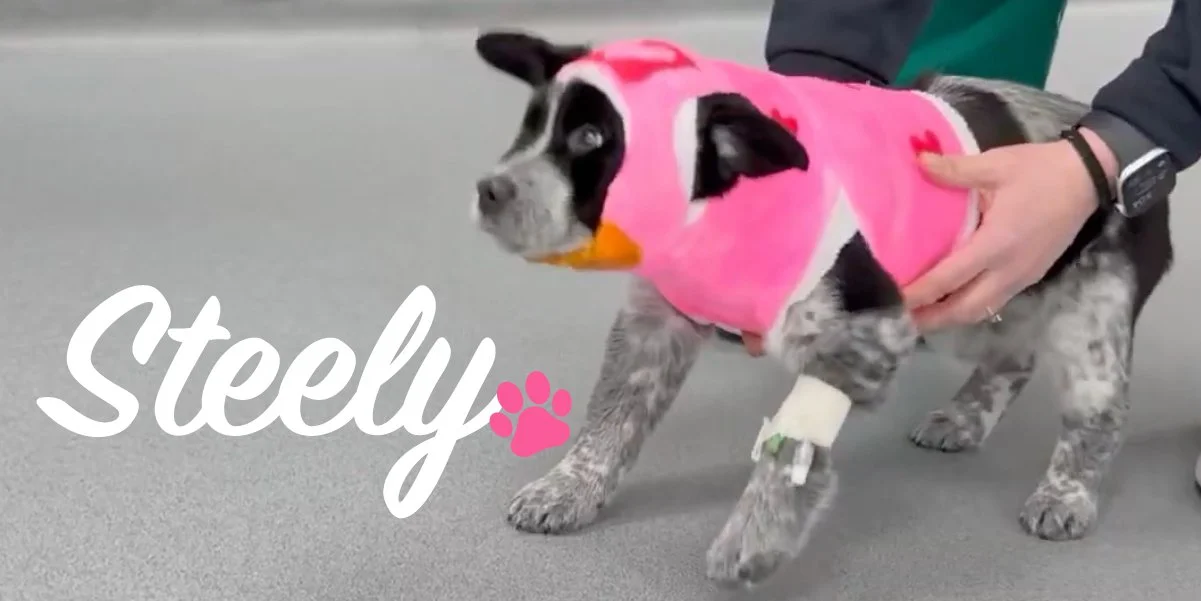
Puppy Neck Pain After a Fall: Steely’s Emergency Referral
You’d be hard pressed to find a puppy cuter than Steely, an energetic Australian Shepherd mix. In February, the two-month-old fell off the couch when playing with her littermate. Since she was clearly in pain, her pawrents brought her to her primary care veterinarian.
CT Imaging Diagnosed a Cervical Spine Fracture
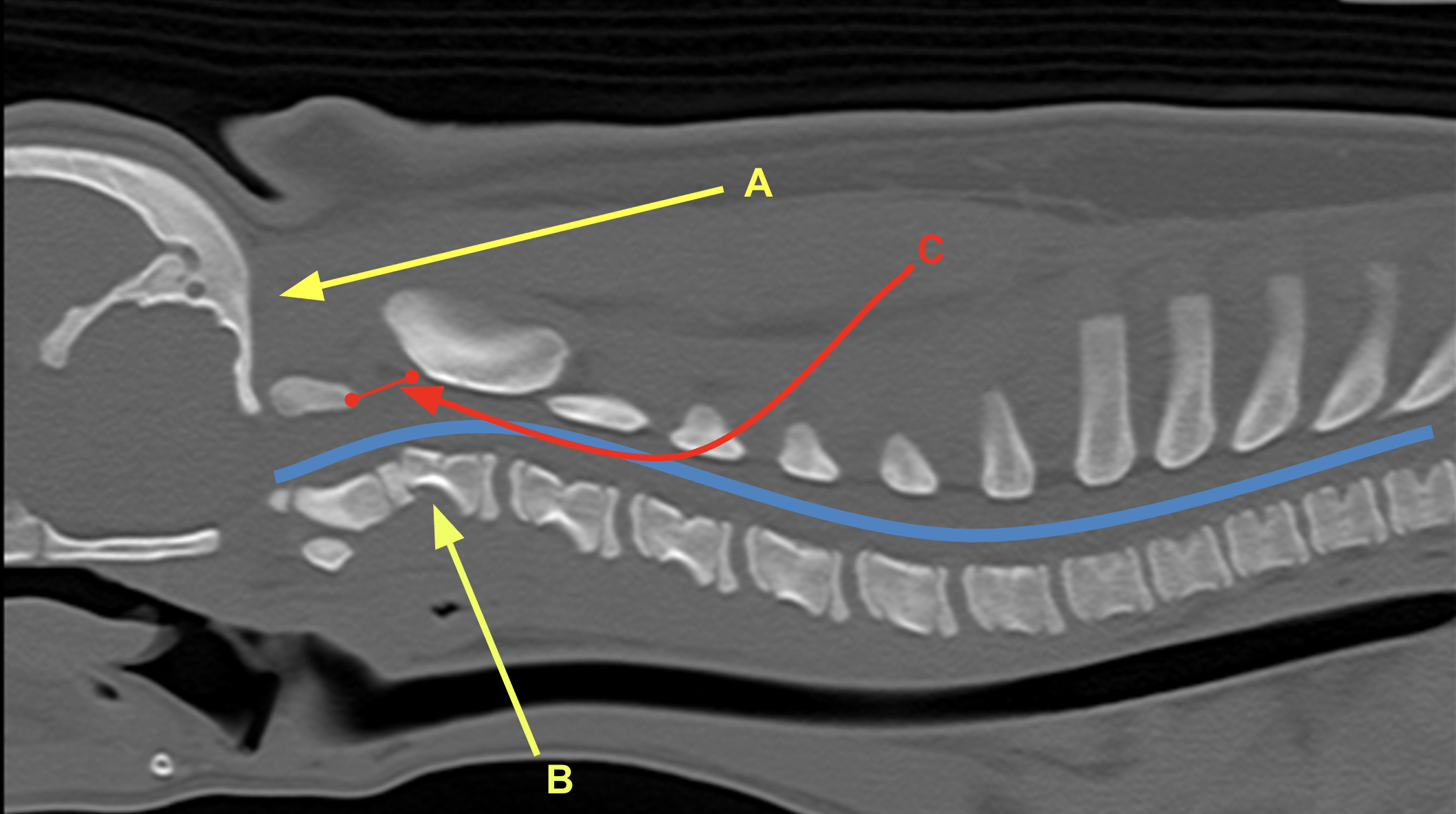
The blue line shows the course of the spinal cord through the vertebral canal. (A) Steely’s Skull. (B) Fracture of C2 (axis). (C) Evidence of Luxation — increased distance between dorsal C1 and C2
When the radiographs showed a possible fracture, Steely was immediately sent to the Pet+ER for emergency CT imaging. When the CT showed a fracture at intercentrum 2 and centrum 2 (cranial growth plates of C2), Pet+ER referred Steely to VNIoC for specialized neurology care.
Non-Surgical Management for a Puppy Spinal Fracture
Given Steely's young age, surgical intervention was not considered a viable treatment option. Surgery in such a young patient carries significant risks to the developing skeletal structure — young bones don't hold implants well.
Instead, her treatment plan focused on a conservative approach using a stabilization bandage of the neck to provide external support while the bone healed naturally. This non-surgical management also required strict crate rest to prevent further trauma or displacement during the critical healing phase.
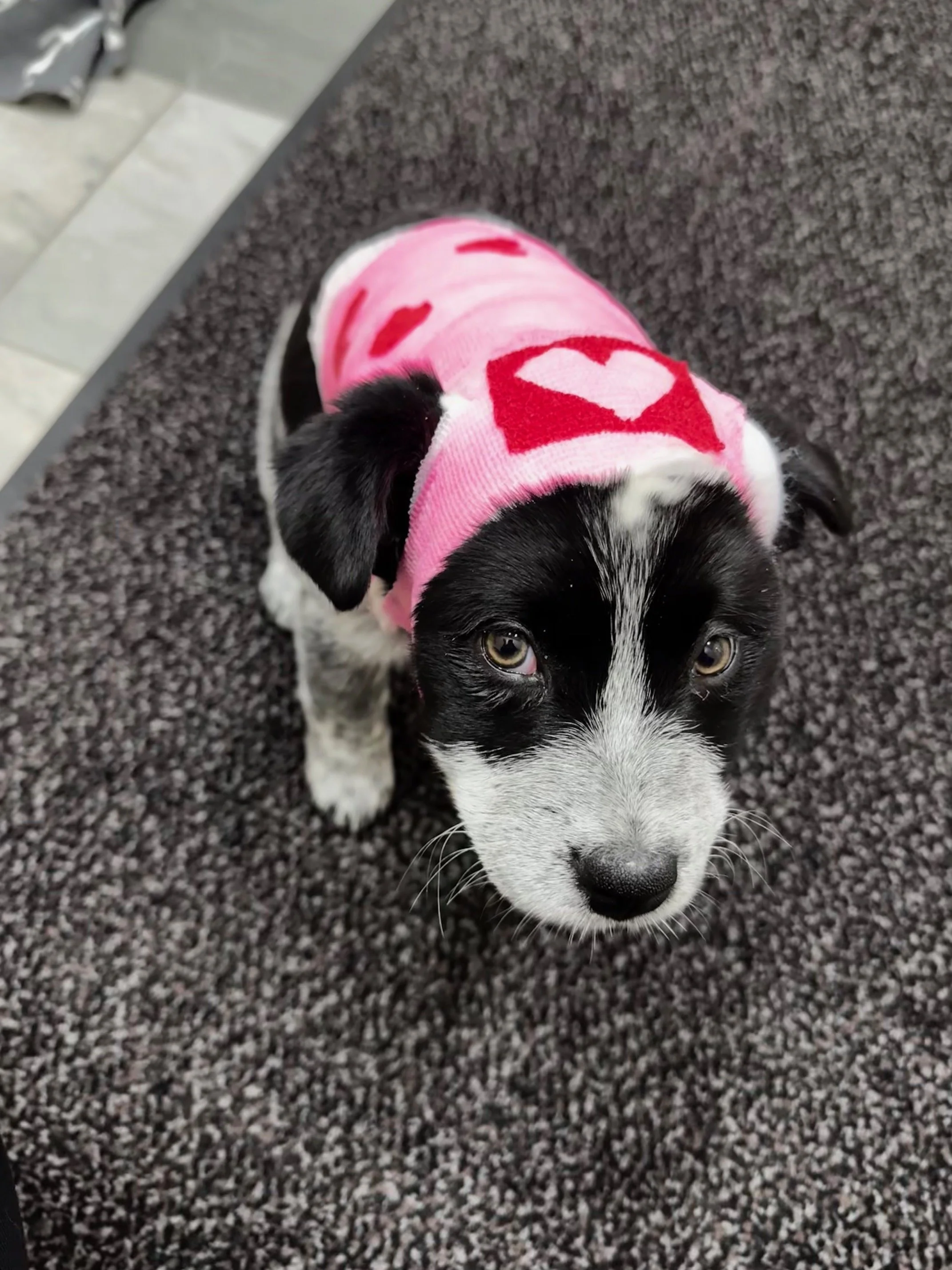
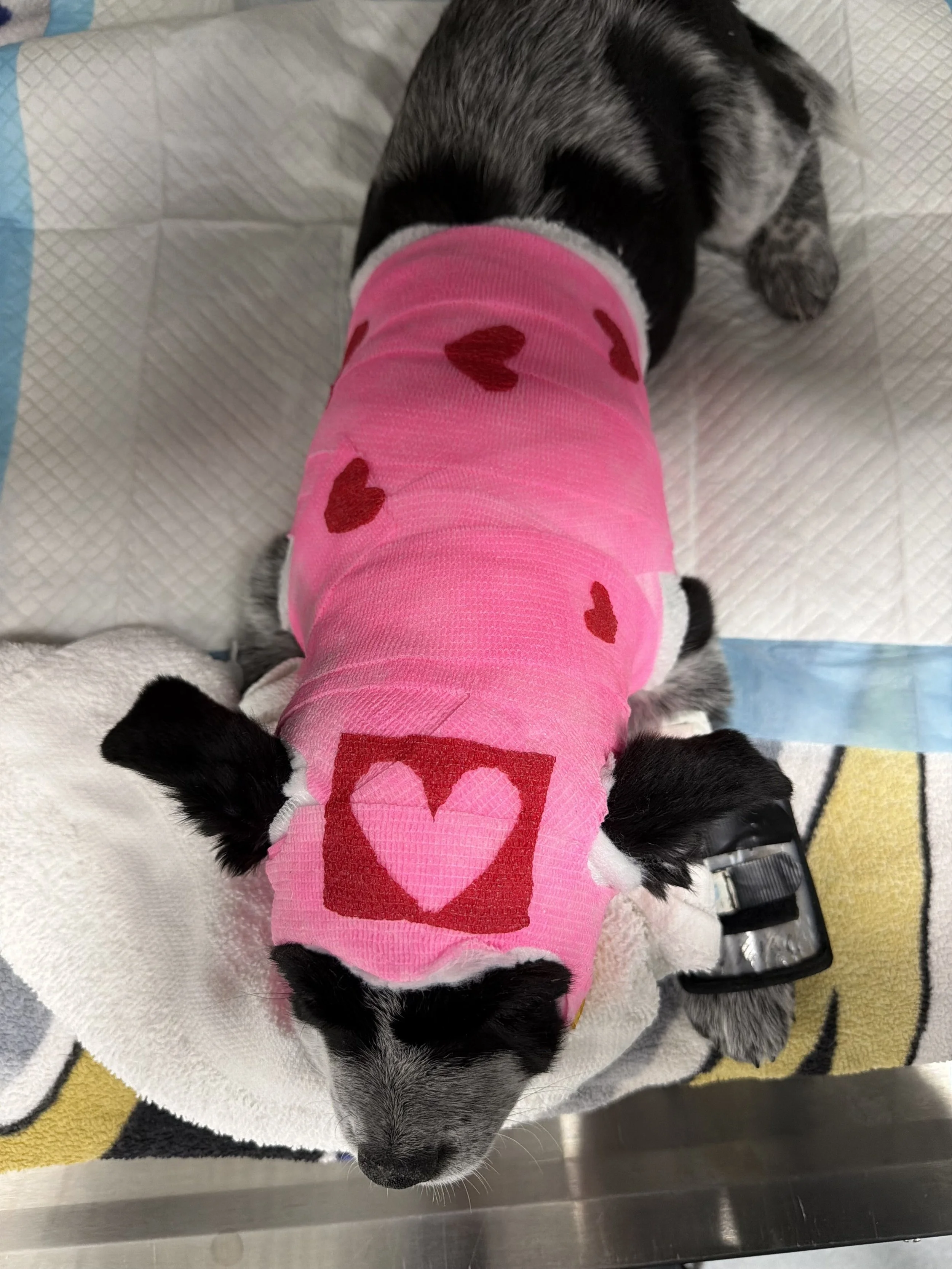
Steely in her first bandage.
Risks and Monitoring During Bandage Treatment
Dr. Mannix and her team advised Steely's parents about the potential complications of the stabilization bandage, such as the possibility of it shifting off her head, causing sores near the chin or armpits, or leading to ear and skin infections. Close observation for any clinical changes was essential, as were the required weekly professional bandage changes (requiring sedation) throughout her healing process.
Weekly Rechecks and Recovery at Home
Steely was brought back to VNIoC weekly for professional bandage maintenance. However, during the second visit, the team discovered a rubbing wound on her neck. To allow the skin to heal and prevent further irritation, the stabilization bandage was removed, and she completed the remainder of her six-week recovery period exclusively through strict crate rest.
Follow-Up Radiographs Showed Healing Progress
By her one-month follow-up appointment with her primary care vet, radiographs confirmed that Steely's recovery was proceeding exceptionally well, with the images showing normal bony healing. Her rapid progress can be attributed to her young age; as a growing puppy, her bones had a greater capacity for natural healing than those of an adult dog.
Because Steely’s fracture healed so well with conservative management and strict crate rest, no further specialized follow-up with the VNIoC team was needed. For dogs with injuries like Steely’s, lifelong care of the neck is recommended — avoiding activities such as tug-of-war and using harnesses instead of neck leads or collars. The best news of all is that Steely is expected to continue growing normally and enjoy a long, happy life with her family!
“We’re incredibly grateful to the doctors and the tech who cared for our girl during those really tough weeks. Steely is fully back to her normal life. Living on a farm means she has 20 acres to run, explore, and play. She loves chasing the chickens, donkeys, and horses, wrestling with her littermate brother Cooper and our other dogs, and keeping up with our four kids. We could not imagine life without her as part of our family.”
—Taylor, Steely’s pawrent
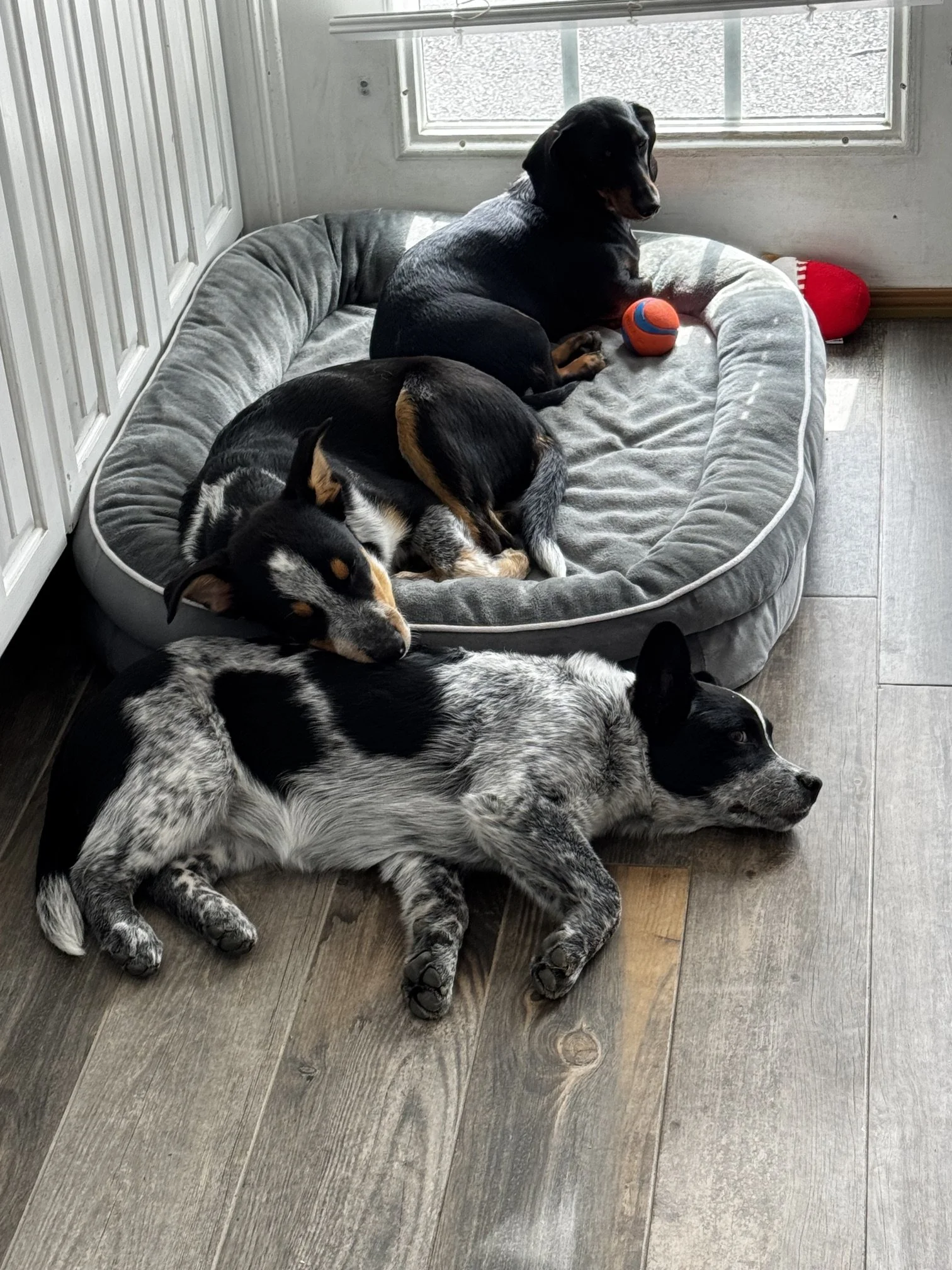
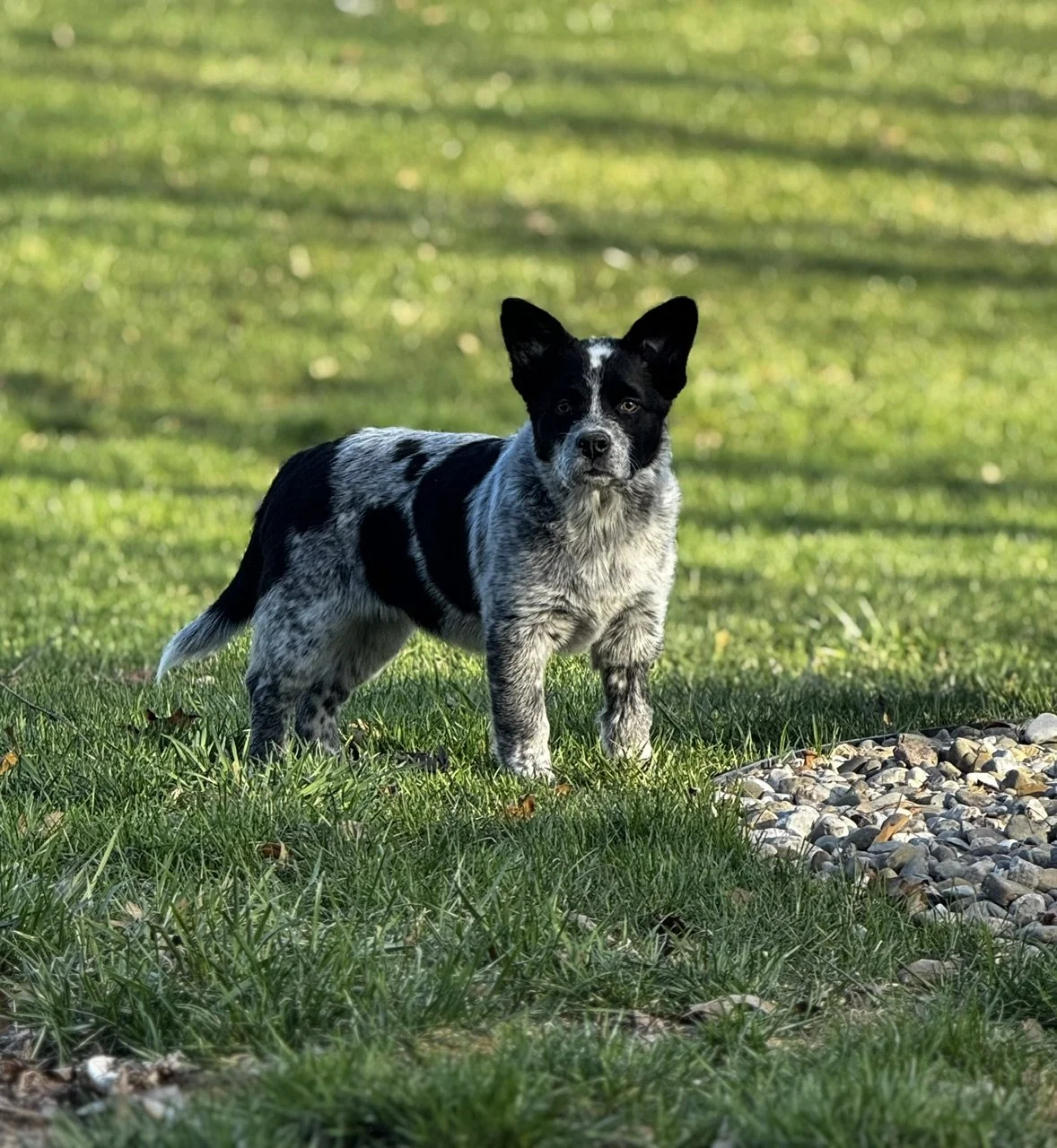
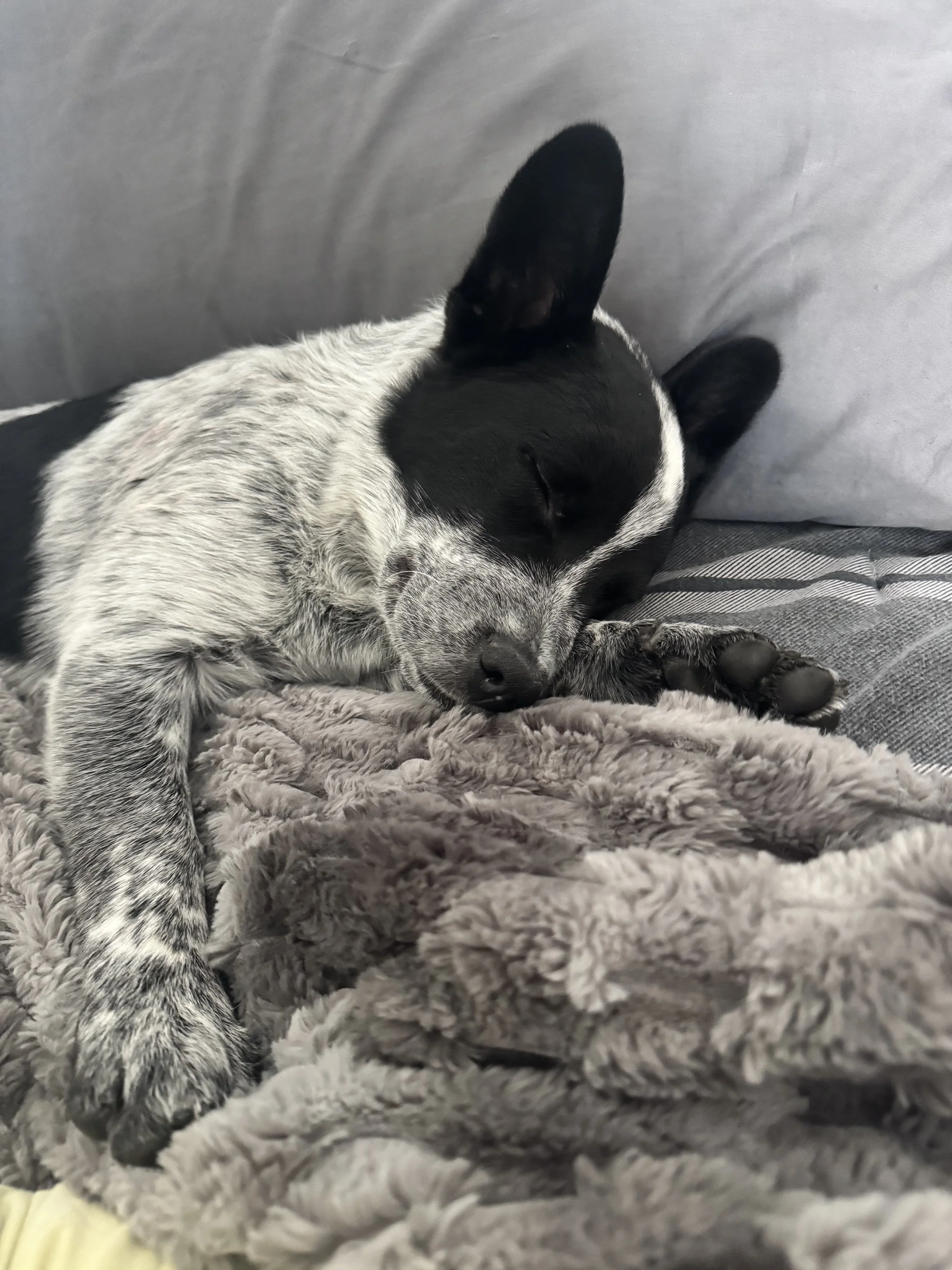
Look at Steely all grown up with her siblings!