
When It’s Not A Seizure: Treating Dogs with Paroxysmal Dyskinesia
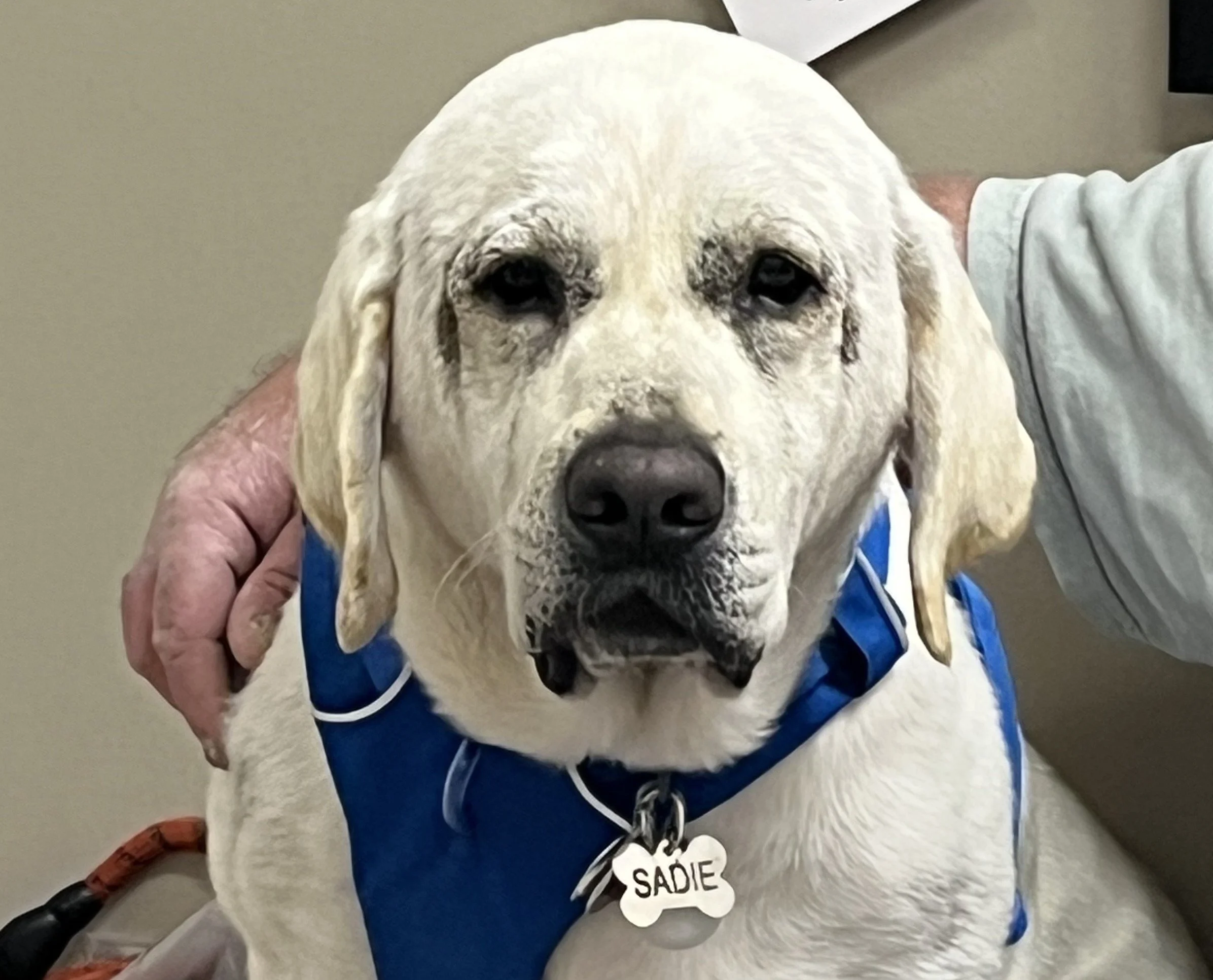
During Sadie’s six months in rescue at Lab Rescue LRCP, the four year old spayed Labrador Retriever had several episodes of what appeared to be seizures. Then a month after her adoption, she had another in which she was laying down and it appeared to her pawrents that she couldn’t move normally. She was fully conscious and was able to track the owner with her eyes. She had no hypersalivation, urination or defecation. The first episode lasted seven minutes, and then about 10 to 15 minutes later she had another episode that lasted three minutes.
In the car on the way to her primary veterinarian, she had a third episode then a fourth one during her veterinarian’s exam. She was treated with midazolam, which did not stop the episode, so she was given intravenous phenobarbital. Sadie was discharged with phenobarbital and Keppra, and was doing well with no additional episodes. She was a bit more sedate than usual after starting the phenobarbital but had no other major changes in behavior.
Diagnosis & Treatment: Paroxysmal Dyskinesia
Sadie was referred to Veterinary Neurology and Imaging of the Chesapeake (VNIoC) by her primary veterinarian for follow-up. Dr. Julianna Mannix immediately suspected that Sadie’s “episodes” did not mimic classic idiopathic epilepsy, but rather a movement disorder called Paroxysmal Dyskinesia.
Since epilepsy hadn’t been ruled out, Dr. Mannix kept Sadie on her seizure control medications (phenobarbital and Keppra), and prescribed an episode rescue protocol of intranasal midazolam. Dr. Mannix scheduled Sadie for a follow-up appointment in three months. In the interim, Sadie’s owners were asked to take videos of any episodes, which could help the VNIoC neurology team determine if these events were truly seizure-related or something else entirely.
Sadie’s parents shared several videos over the course of the initial three month treatment, which helped Dr. Mannix confirm that the episodes were consistent with Paroxysmal Dyskinesia rather than true seizures. At Sadie’s recheck, Dr. Mannix recommended tapering Sadie off of phenobarbital and increasing the Keppra dose to decrease the severity of the episodes.
Her pawrents report that Sadie went from having two-hour spasm attacks every four to six weeks, to having no attacks in the past year. Since her adoption, Sadie has been busy living her best life. This “love bug” has travelled across continental North America, visiting 27 states and Newfoundland, Canada. When she is not travelling, she loves going on drives, eating, playing with her Lamb Chops, and swimming.
“We cannot thank Dr. Julianna Mannix enough for everything she has done for our Sadie. Dr. Mannix is a special person and an outstanding doctor who saved Sadie’s life and we will be forever grateful. We are truly blessed to have her in our lives.” –Sadie’s pawrents
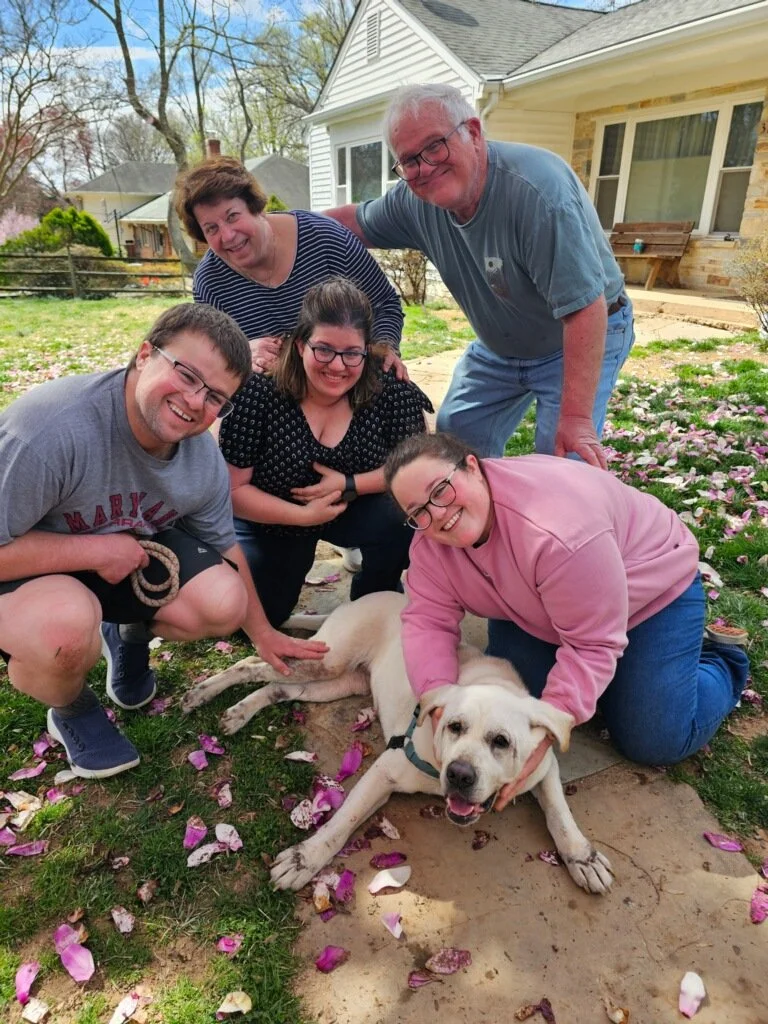
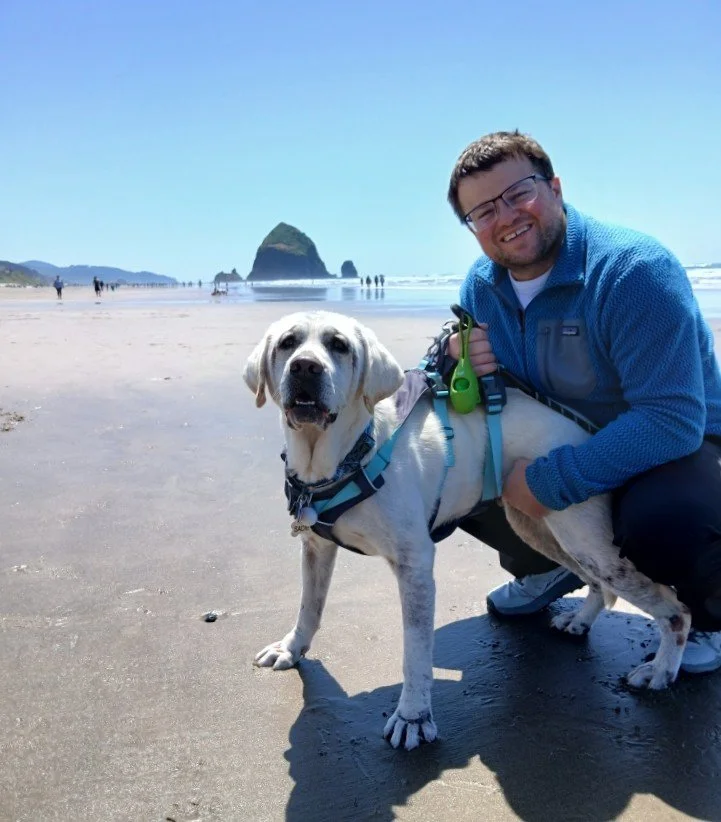

Above left to right: Sadie on her adoption day, near Haystack Rock in Oregon, and in Newfoundland Labrador, Canada.