
Why Is My Senior Dog Losing Balance? Signs of Old Dog Vestibular Disease and When to See a Veterinarian
Old Dog Vestibular Disease - A Frightening Event for You and Your Geriatric Pup
One of the most frightening experiences for a pet owner is watching a senior dog suddenly lose their balance. It often happens in an instant—a dog that was fine an hour ago is now stumbling, tilting their head, or even rolling on the floor. While these symptoms frequently mimic a stroke, they are more often the result of "Old Dog Vestibular Disease."
What is Old Dog Vestibular Disease?
Commonly known as Idiopathic Vestibular Syndrome or Geriatric Vestibular Disease, this condition affects the vestibular system, which is located in the inner ear and controls a dog’s balance and spatial orientation. Much like the vertigo experienced by nearly 40% of adult humans, this disease causes a sudden sense of spinning and disorientation.
The term "idiopathic" means that despite thorough testing, there is often no known underlying cause for the sudden onset of symptoms. It is most frequently seen in senior dogs.
Recognizing the Signs
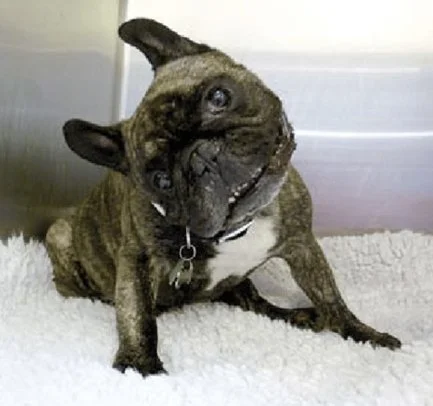
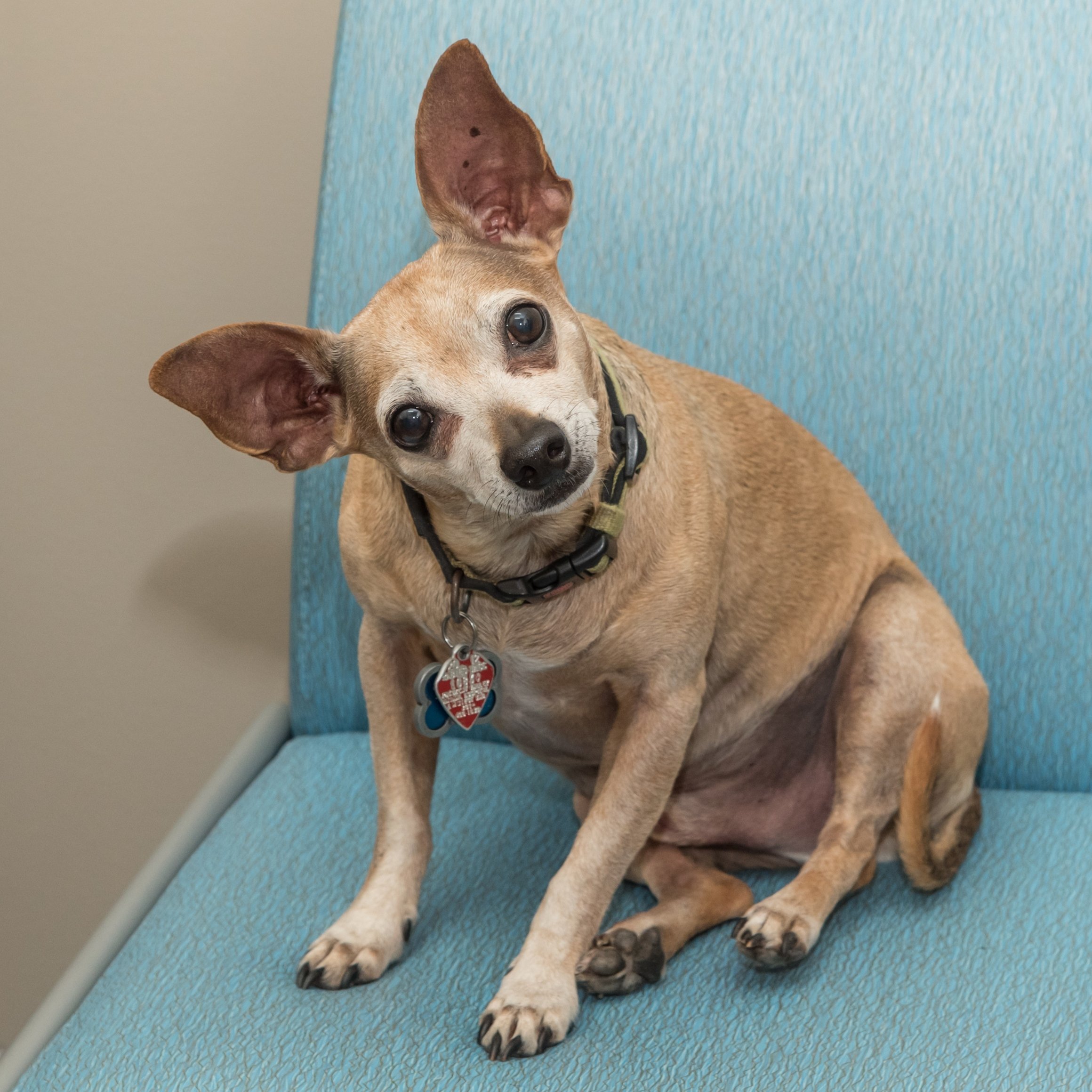
The symptoms can be dramatic and distressing to witness. Common signs include:
Sudden Head Tilt: Your dog may hold their head at an angle to one side.
Loss of Balance: Leaning to one side, falling, or an inability to stand.
Nystagmus: Rapid, flickering eye movements.
Walking in Circles: Disorientation that leads to circling behavior.
Nausea: Drooling or vomiting due to the sensation of dizziness.
Drunk-like Appearance: Appearing "drunk" or uncoordinated.
When is it an Emergency?
While idiopathic vestibular disease is generally manageable, a veterinary exam is essential to rule out more serious causes like brain tumors, toxicity, or severe ear infections.
Seek Emergency Care If You Observe:
Seizures or Loss of Consciousness. Why it matters: These may indicate primary neurological disease.
Facial Paralysis. Why it matters: Could indicate deeper nerve or brainstem involvement.
Inability to Eat or Drink. Why it matters: Dehydration and nutritional decline can happen quickly.
Worsening Signs After 48 Hours. Why it matters: Most idiopathic cases show improvement within two days.
The Diagnostic Path
To confirm a diagnosis, a veterinarian will perform a neurological exam. In complex cases, advanced imaging such as a brain MRI and spinal fluid analysis may be recommended to rule out inflammation, infection, or cancer. For many dogs, like a recent patient named Zelda Scotti, these tests come back "unremarkable," which confirms that the wobbliness and head tilt are indeed idiopathic and likely to improve with time and supportive care alone.
Caring for Your Dog at Home
Recovery often happens quickly, but your dog will need help navigating their environment while their balance returns.
Improve Traction: Place yoga mats or rugs on slippery floors to help them stay upright.
Safety Gates: Use baby gates to block access to stairs where they could fall.
Use a Sling: Support your dog with a towel or sling under their abdomen during bathroom trips.
Manage Nausea: Discuss anti-nausea medications with your vet if your dog is reluctant to eat.
Padded Rest: Encourage rest in a confined, padded area to prevent injuries from stumbling.
Hope for the Future
The good news is that most dogs with "old dog vestibular disease" show significant improvement within a few days of supportive care. If your senior dog starts showing signs of balance loss, don't assume it's just "old age." Early veterinary evaluation ensures they get the right support to get back on their feet.